Skip to content

Negotiation explainer

How negotiations work, explained without taking sides

I’m Thea. I explain how negotiations between countries and groups work, one piece at a time, and I sell glossaries, worksheets, case packs and two video courses.

One email every Sunday. Unsubscribe any time.

Read first

Which explainer to read next

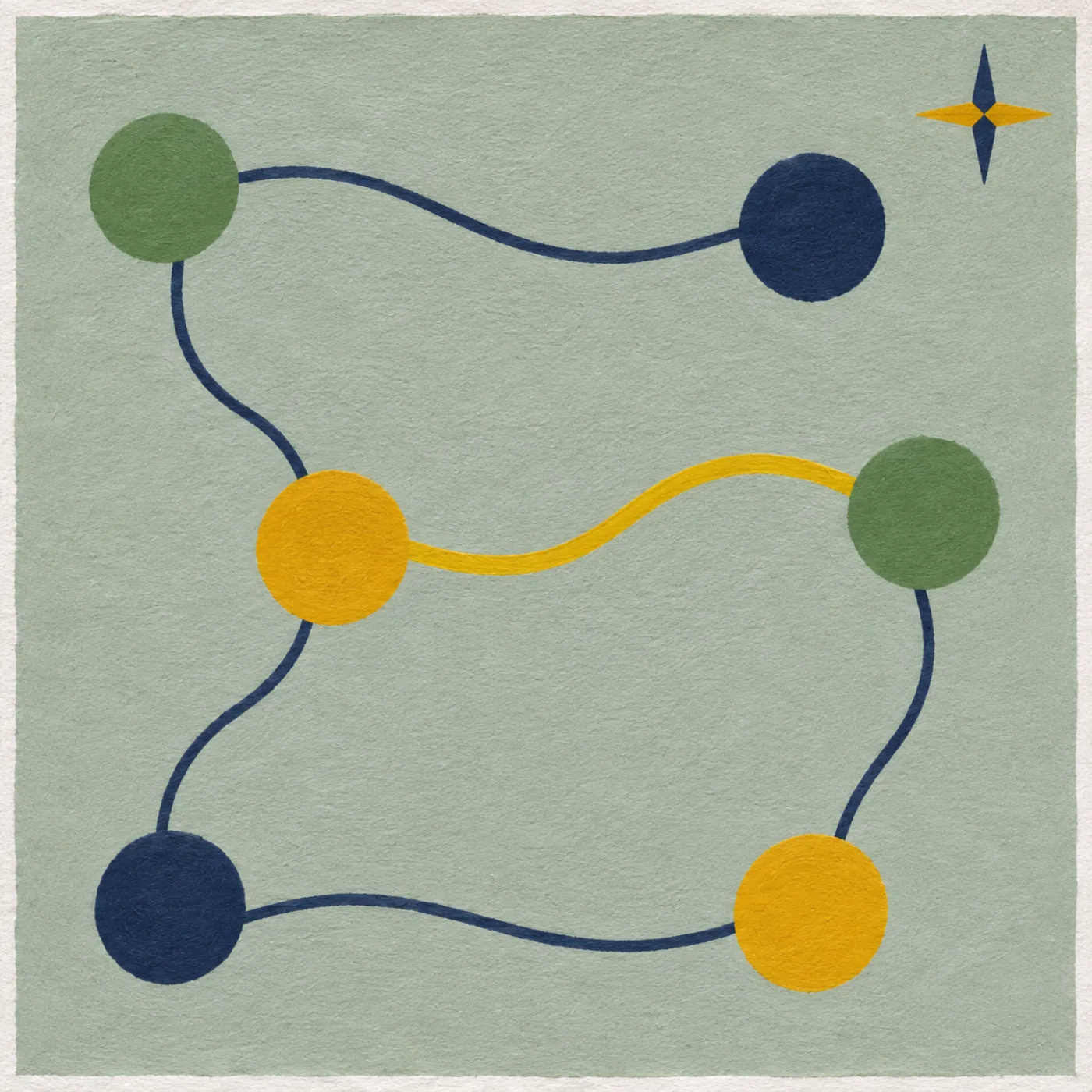
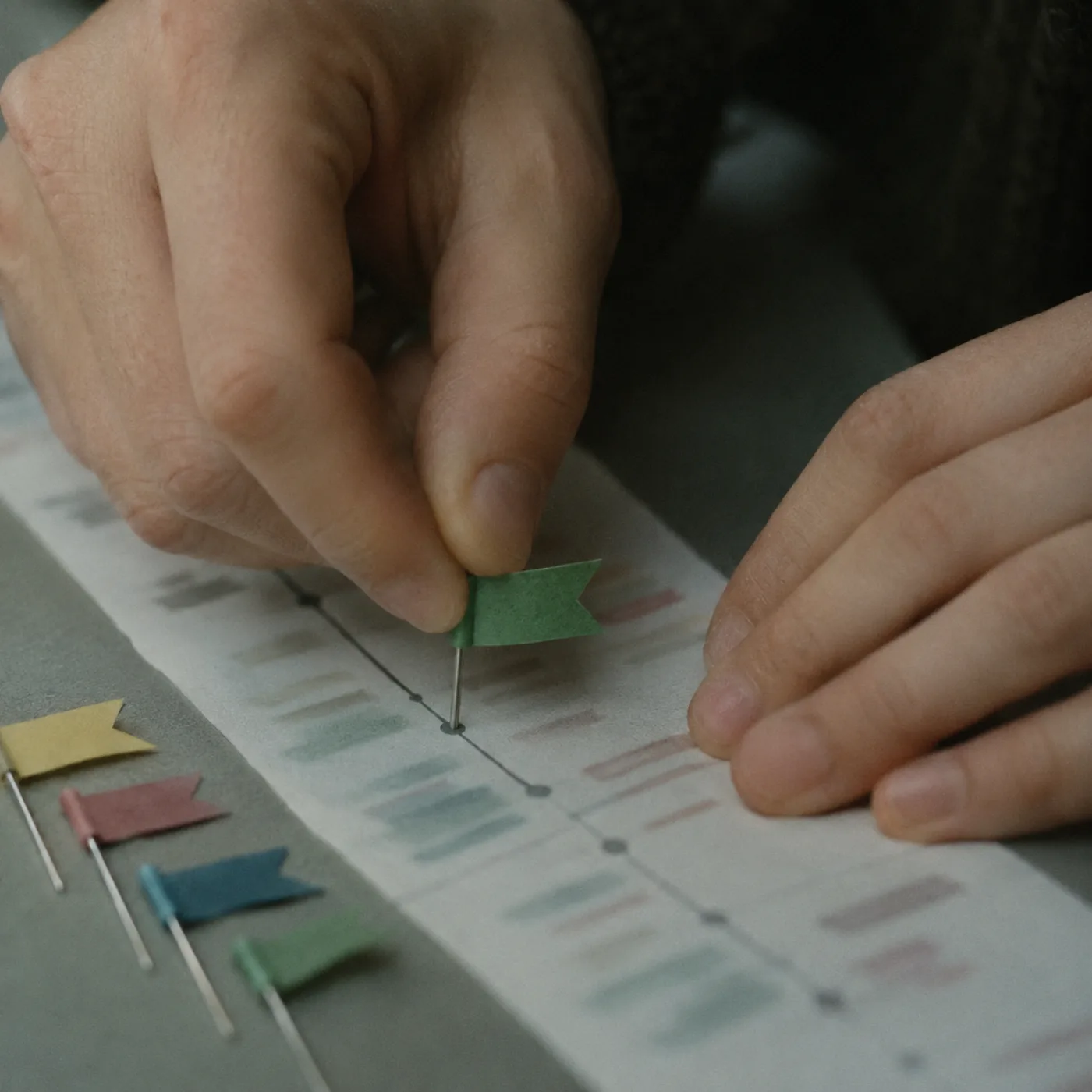
Every explainer names the pieces it builds on. Start at the top, choose a route and follow the lines.

  1. Background

  2. Ceasefires

    How a pause is agreed, watched and kept

    Branches from Positions and interests · Rejoins at Why a signed deal is not the end

  3. Ceasefires

    How a ceasefire gets agreed

    Oct 2026

    needs: Who sits at the table

  4. Ceasefires

  5. Rivers

    Neighbours who share water, and the lines between them

    Branches from Positions and interests

  6. Trade

    Lists, schedules and who gives what

    Branches from Positions and interests · Rejoins at Why a signed deal is not the end

  7. Trade

    Why talks stall, and how they start again

    Nov 2026

    needs: Why the room is set up

  8. Afterwards

    Why a signed deal is not the end

    Nov 2026

    needs: Trade talks, line by line

Newsletter

Latest explainers

One new explainer every Sunday. Each says which earlier piece it builds on, so you can follow a route through them.

  • Why a signed deal is not the end

    What happens after the signing: who checks, who pays and why the real talks often start then. Builds on “Who watches a ceasefire once it starts” and “Trade talks, line by line”.

    Nov 8, 2026 · 14 min read

  • Why talks stall, and how they start again

    The long silences in a negotiation, what is going on in them and what brings people back. Builds on “Why the room is set up the way it is”.

    Nov 1, 2026 · 11 min read

  • Trade talks, line by line

    How a trade deal is talked through: the list, the schedule, the give and take. Builds on “Positions and interests”.

    Oct 25, 2026 · 15 min read

  • How neighbours share a river

    An invented case of two neighbours and one river, from the first meeting to the last clause. Builds on “Positions and interests”.

    Oct 18, 2026 · 13 min read

  • Who watches a ceasefire once it starts

    The observers, the reports and the long, dull middle of a ceasefire. Builds on “How a ceasefire gets agreed”.

    Oct 11, 2026 · 12 min read

  • How a ceasefire gets agreed

    The steps from first contact to a signed pause, told with an invented example. Builds on “Positions and interests” and “Who sits at the table, and who does not”.

    Oct 4, 2026 · 14 min read

Downloads, a course and merch

Shop

Downloads arrive by email. Merch is printed to order and shipped by Printful.

Online course

My course

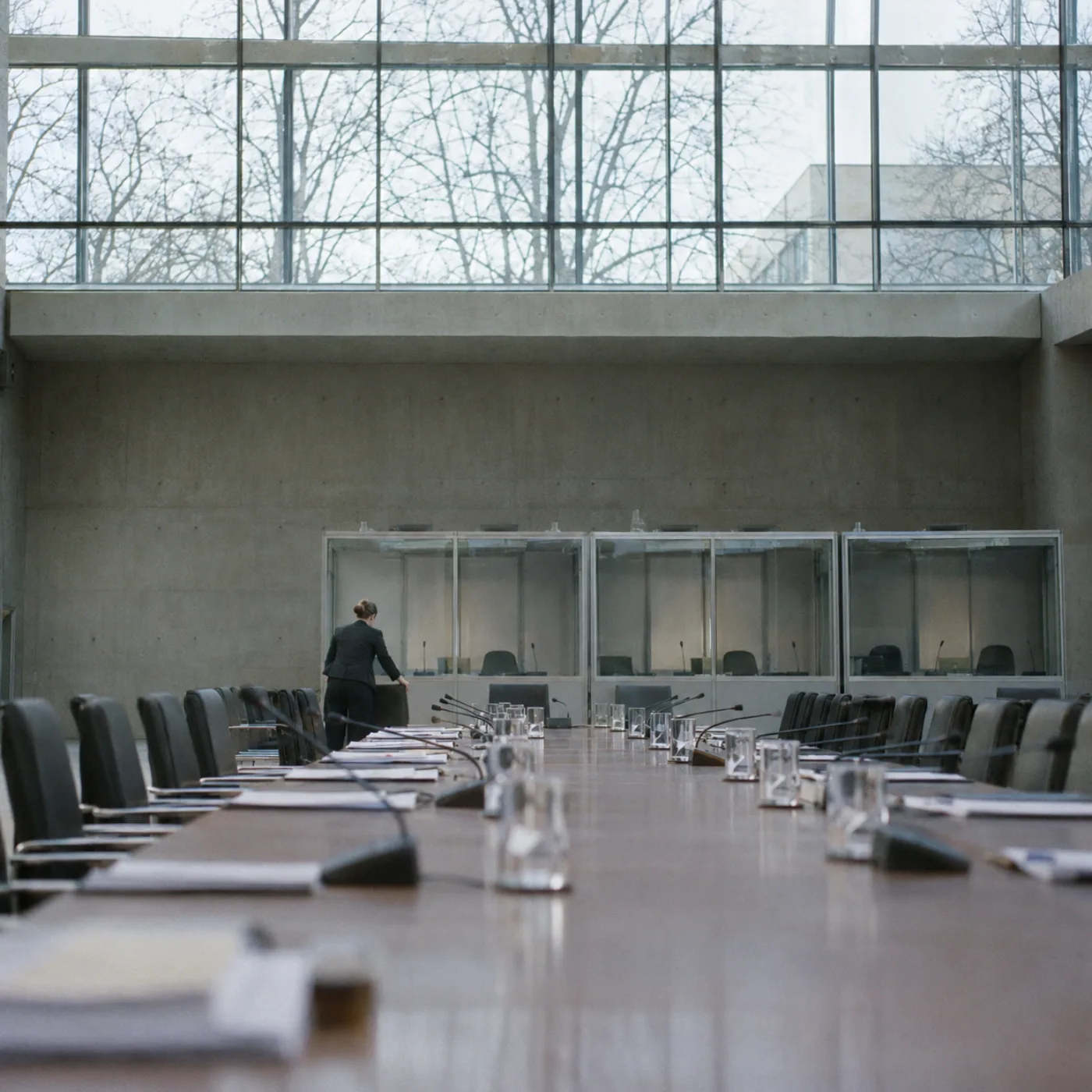
  • Empty conference hall with long table and interpreter booths
    Empty conference hall with long table and interpreter booths

    Video course · 8 lessons

    How Negotiations Work

    From the first approach to the signed paper: eight lessons on how talks are set up, run and closed.

    • 01What happens before talks begin10 min
    • 02Positions, interests and limits12 min
    • 03The table and the room11 min
    • 04Opening offers12 min
    • 05Trading and linking issues14 min
    • 06When talks stall11 min
    • 07Closing a deal13 min
    • 08After the signing12 min
Garden bench with newspaper, mug and secateurs after rain.

About

Hello, I’m Thea

I spent most of my working life in rooms where people who disagreed tried to agree. I was a diplomat, and now I am retired, with a study above a harbour, a pot of tea and more time than I had. What I missed most was explaining. People read about talks in the news and are told who won and who lost. They are rarely told how the talks work.

So I write explainers. Each one starts from a plain question: what is a ceasefire, who sits at the table, why do talks go quiet for months. Every piece says which earlier piece it builds on, so you can start at the beginning and follow a route, or jump in where you are curious. I use made-up cases, not real ones, and I do not say who is right. My job is to show how the thing works.

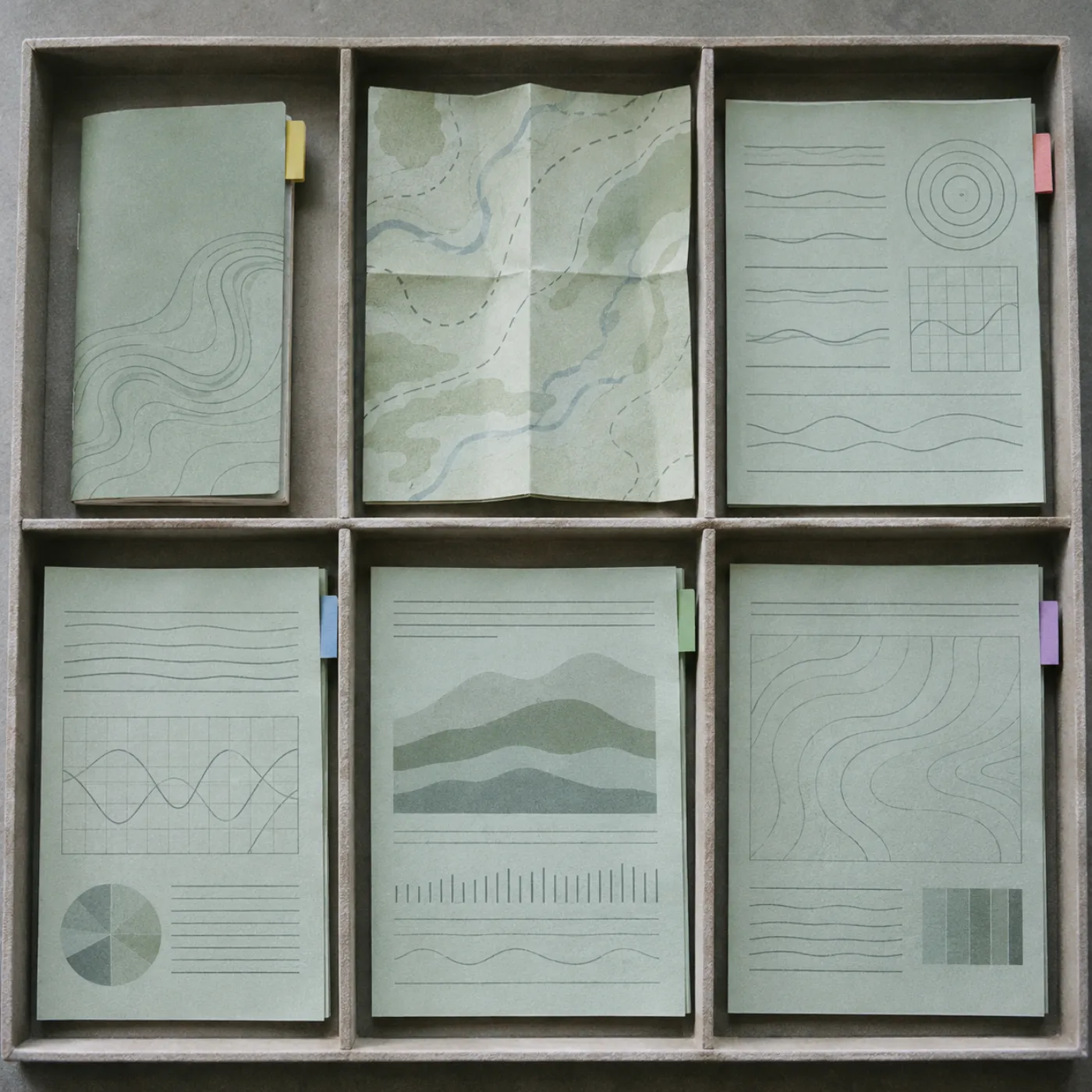
What I sell are the things I use myself: a glossary, worksheets, a case pack for each route and two video courses. I do not sell advice or private lessons. I teach you to read the news about talks and to follow them with a clear head.